Key Takeaways
- Retail media wins on proximity: it reaches shoppers while they are browsing, searching and buying, using retailer audiences and shopping data to make those moments more relevant and measurable.
- More networks doesn’t mean better buying: the right retail media mix depends on where the product is sold, where the brand wants to grow, who the audience is and what the campaign needs to accomplish.
- Retail media shouldn’t sit in a silo: it performs best alongside CTV, programmatic, paid search, social, radio and out-of-home — each channel with a defined job to do.
- ROAS isn’t the whole story: incremental sales, sales lift, product velocity and new-to-brand customers show whether advertising actually created demand instead of taking credit for it.
Getting a CPG product on the shelf is a big win. But once it’s there, the next challenge is getting shoppers to choose it.
That’s where retail media comes in.
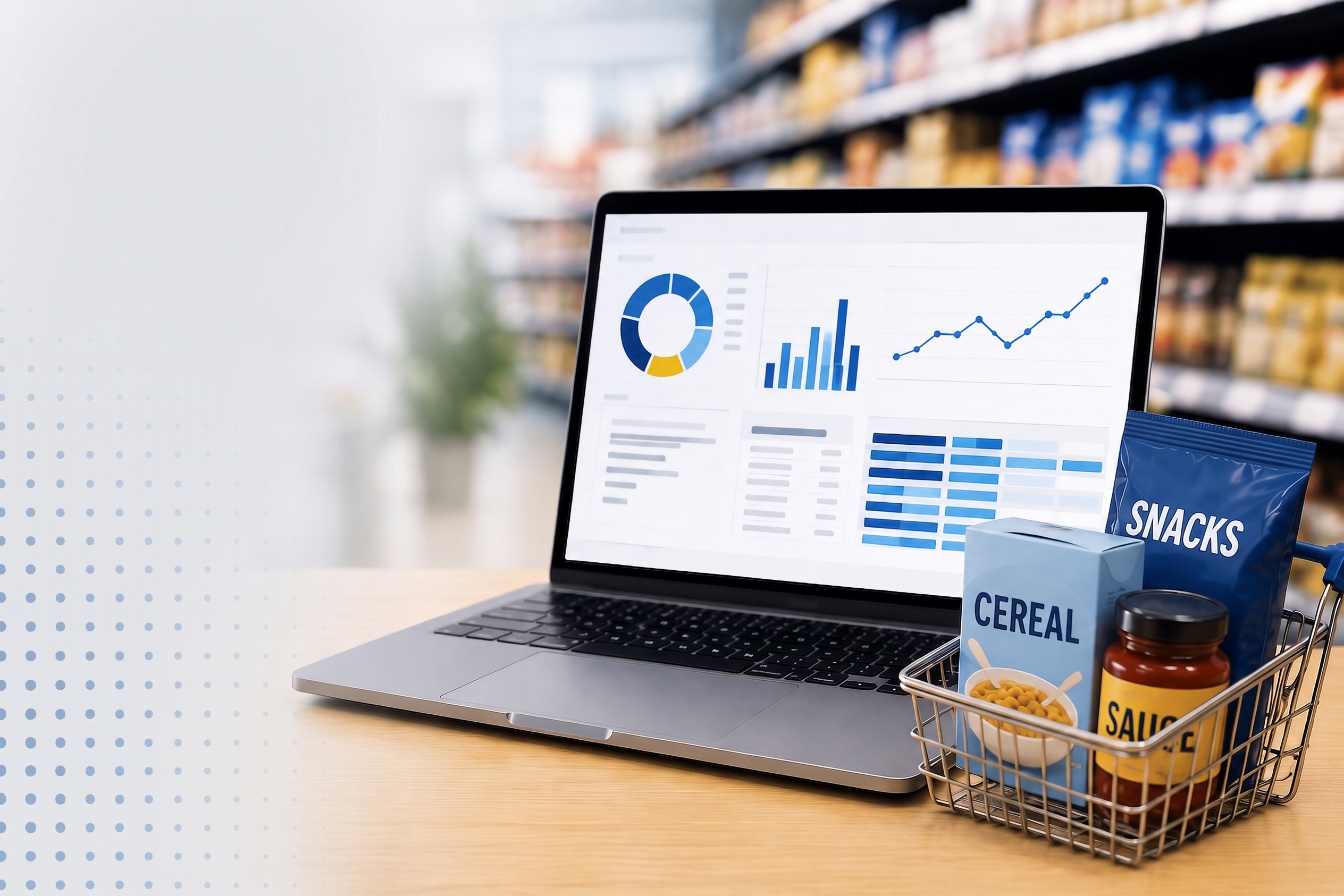
From our perspective as media buyers, retail media isn’t simply another digital channel to add to the plan. It’s an opportunity to connect advertising with where consumers are actually shopping—and use retailer data to make those connections more relevant and measurable.
For CPG brands, that’s a pretty valuable combination.
What Is Retail Media?
Retail media is advertising bought through a retailer’s own network — sponsored product placements, on-site display, off-site campaigns and in-store formats — using that retailer’s first-party shopping data. Amazon, Walmart Connect, Kroger Precision Marketing, Instacart, Target’s Roundel, CVS Media Exchange and Albertsons Media Collective all operate one.
For CPG brands, that means reaching a shopper on the same site where the product is sold, then tying the campaign back to what actually moved off the shelf.
How Does Retail Media Put CPG Brands Closer to the Purchase?
Traditional advertising can build awareness and consideration. Retail media can help take that a step further by reaching consumers closer to the point of purchase.
A shopper might search for a product on a retailer’s website, browse a category or see a sponsored product while shopping online. Retail media gives brands an opportunity to show up during those moments.
It can also help brands support specific business priorities, whether that’s:
- Launching a new product
- Supporting a specific retailer
- Increasing visibility for a priority SKU
- Expanding distribution
- Reaching shoppers based on purchase behavior
For us, the important part is starting with the objective, not the platform.
How Big Is Retail Media in the CPG Media Mix?
Retail media has moved well beyond the test-and-learn stage. U.S. advertisers are expected to spend $71.98 billion on retail media in 2026, an 18.7% increase from the previous year, according to EMARKETER.
CPG marketers are helping drive that growth. According to Mediaocean’s 2025 H2 Market Report, 62% of CPG marketers expected to increase their retail media spending in the second half of 2025, ahead of social and CTV.
From our perspective as media buyers, that growth makes sense. Retail media gives brands access to retailer audiences and shopping data while putting advertising closer to the purchase.
But increasing the budget isn’t the strategy.
Do CPG Brands Need Every Retail Media Network?
There are now countless retail media networks competing for CPG budgets.
Amazon. Walmart. Target. Kroger. Instacart. CVS. Albertsons. Roundel. And more.
It can be tempting to spread a budget across as many networks as possible. We don’t think that’s always the best approach.
The right network depends on where the product is sold, where the brand wants to grow, who the target audience is and what the campaign needs to accomplish.
A national brand with broad distribution may have a very different retail media strategy than a brand expanding into new retailers or markets.
We’d rather put the right dollars in the right places than try to be everywhere.
How Should Retail Media Fit With the Rest of the Media Mix?
One of the biggest opportunities we see is connecting retail media to the rest of the media mix.
Consumers don’t experience advertising one channel at a time. Someone might see a CTV ad, encounter the brand on social, search for the product and ultimately purchase it from a retailer.
Retail media can play an important role in that journey, but it shouldn’t have to do all the work.
As media buyers, we look at retail media alongside CTV, programmatic, paid search, social, TV and cable, radio, out-of-home and other channels to determine how they can work together.
The goal isn’t to make retail media the biggest part of the plan.
It’s to give every channel a job to do.
How Should CPG Brands Measure Retail Media? Look Beyond ROAS
Retail media’s connection to sales is one of its biggest advantages. It’s also why measurement matters.
A strong ROAS (return on ad spend) is encouraging, but it doesn’t necessarily tell you whether advertising created additional sales. If a shopper was already planning to buy your product, an ad may have received credit for a purchase that would have happened anyway.
Depending on the campaign, we look at metrics such as:
- Incremental sales
- Sales lift
- Product velocity
- New-to-brand customers
- SKU performance
- Retailer performance
- ROAS
The right measurement strategy depends on the business goal. The important part is deciding what success looks like before the campaign launches.
Our Take on Retail Media for CPG Brands
Retail media isn’t something CPG brands should buy simply because it’s growing.
It should have a reason to be in the plan.
At Marshall Advertising, we manage more than $100 million in media across 15+ media channels, including retail media. We work with CPG brands to determine where retail media fits within the larger media strategy and which networks, audiences, and tactics make the most sense.
We don’t believe every brand needs every retail media network.
We believe in starting with the business goal, understanding where the product is sold, and building the media strategy from there.
Build a CPG Retail Media Plan With Marshall Advertising
Because getting on the shelf is only half the job.
Your media should help you win it.
Learn more about Marshall Advertising’s CPG retail media services →
Retail Media for CPG Brands: FAQs
Retail media is advertising purchased through a retailer’s own ad network — such as Amazon, Walmart Connect, Kroger, Instacart or Target’s Roundel — using that retailer’s first-party shopping data. It includes sponsored product placements, on-site display, off-site campaigns and in-store formats.
Retail media allows CPG brands to reach shoppers closer to the point of purchase using retailer audiences and shopping data. It can support product launches, retail distribution, product visibility and sales.
No. The right mix depends on a brand’s distribution, audience, retailers and business goals. In some cases, concentrating budget on the most important retail partners can be more effective than spreading it across multiple networks.
ROAS can be useful, but it shouldn’t necessarily be the only KPI. Depending on the campaign, brands may also look at incremental sales, sales lift, product velocity, new-to-brand customers, SKU performance and retailer performance.
Yes. Retail media can work alongside CTV, programmatic, paid search, social, radio, out-of-home and other channels. We look at the full media mix to determine how each channel can contribute to the overall business goal.
U.S. advertisers are expected to spend $71.98 billion on retail media in 2026, an 18.7% increase over the prior year, according to EMARKETER — with CPG marketers among the fastest-growing spenders.